Lithium-ion batteries power most electric bikes and electric cargo bikes, packing a ton of energy into a compact size. While news about e-bike battery fires and other risks associated with improper e-bike charging can sound concerning, it also underscores how important quality design and proper testing really are. That’s why e-bike battery safety begins with choosing a system designed and tested to meet industry-recognized standards, such as UL 2271 for the battery itself, or the more advanced UL 2849, which evaluates the entire e-bike electrical system, including the battery, charger, motor, and wiring.
Certified electrical components are a great start, and good everyday charging habits help keep your battery running smoothly and safely over time. Here are a few simple e-bike battery charging tips to keep in mind.
1. Use the original charger
Always charge your e-bike with the original charger it came with, or a manufacturer-approved replacement. Unapproved third-party chargers may not regulate voltage correctly or communicate properly with the battery, which can lead to reduced battery life, system malfunctions, or potential safety risks.
2. Keep it dry and clean
Regularly check your e-bike battery for dirt or debris, and wipe it clean with a damp cloth. If water gets on the battery or the contacts, dry them with a soft, dry cloth before charging. Clean the plug poles occasionally and apply a light coating of technical Vaseline to help prevent corrosion. Keeping the battery dry and clean helps maintain a safe, reliable connection. If your e-bike is left outdoors, use a UV- and waterproof cover to protect it from the elements.
To protect the electronics, never clean the battery with direct water jets or high-pressure cleaners. It’s recommended that you remove the battery before cleaning your bike.
3. Charge in a cool, dry place
Charge your battery in a dry, well-ventilated area with a working smoke detector. Room temperature is ideal. Avoid charging on flammable surfaces, and keep it away from direct sunlight or heat sources, as extreme temperatures can shorten battery life and increase the risk of overheating.
4. Avoid charging a cold battery
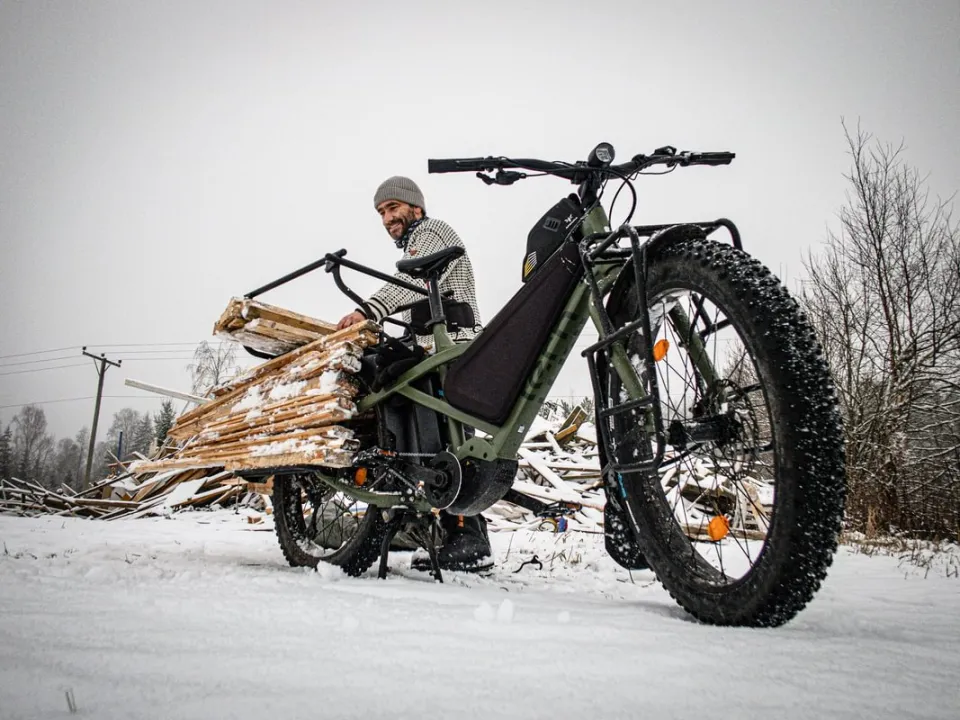
Cold weather can reduce battery performance. A cold battery has higher internal resistance, which can slow charging and cause improper discharging during rides. During the winter, if you can’t store your e-bike indoors or only have an unheated garage, remove the battery and bring it inside, especially when temperatures drop below 0°C (32°F). Let it warm up to room temperature before plugging it in to charge. Keeping it at room temperature until just before your ride will also help it perform better on winter trips.
5. Don’t cover the battery while charging
You might see “explosion- and fire-proof” covers or boxes for charging and storing e-bike batteries, but if your battery is from a reputable manufacturer and certified for safety by a trusted independent testing body like Underwriters Laboratories (UL), you likely won’t need them.
For example, Bosch eBike batteries use an advanced battery management system (BMS) to continuously monitor battery health and protect against issues like excessive heat, combined with robust mechanical, electrical, and thermal cell isolation to help prevent overheating risks. When a battery is covered during charging, heat that’s naturally generated can get trapped, which may interfere with these built-in safeguards and actually increase the risk of overheating.
6. Keep an eye on it
Avoid charging overnight or when you’ll be away for long periods. Being nearby makes it easier to notice anything unusual, like strange smells, blinking lights, excessive heat—or even chewing sounds from a pet with a taste for cables. Once the battery reaches the desired charge, unplug both the battery and charger to reduce unnecessary stress.
Which brings us to the question: how much and how often to charge an e-bike battery?
7. Only charge fully if necessary
In general, you don’t need to charge an e-bike battery after every ride. Instead, charge it as needed based on how much you’ve used it and how far you expect to ride next. Depending on how much range you need for the next ride, you can wait until the charge falls below 30–40% before charging. Save full 100% charges for times when you really need the extra range, such as longer rides or heavy cargo hauls. For everyday use, stopping at around 80–90% is ideal and can help extend the battery’s lifespan.
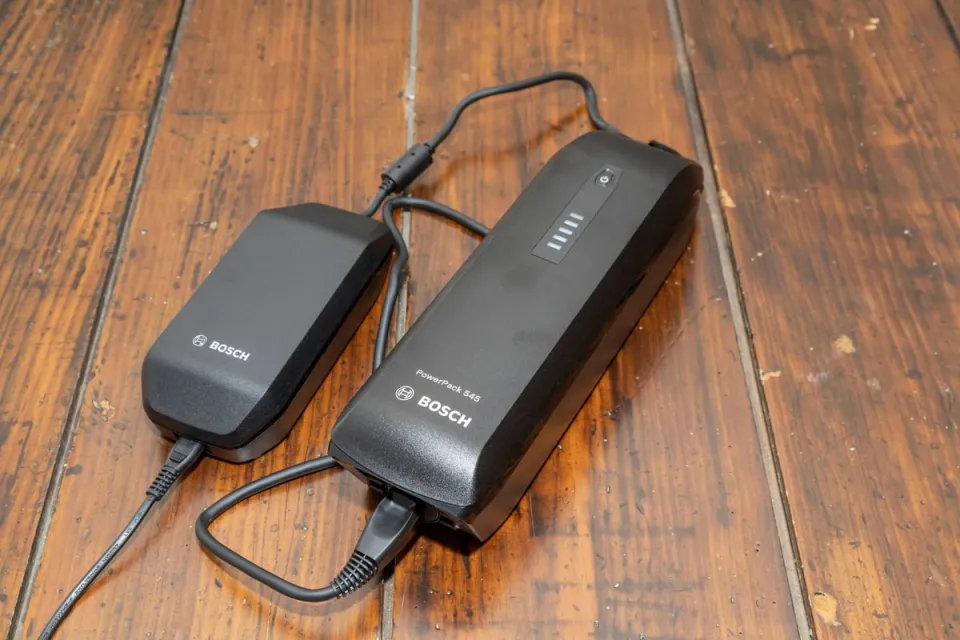
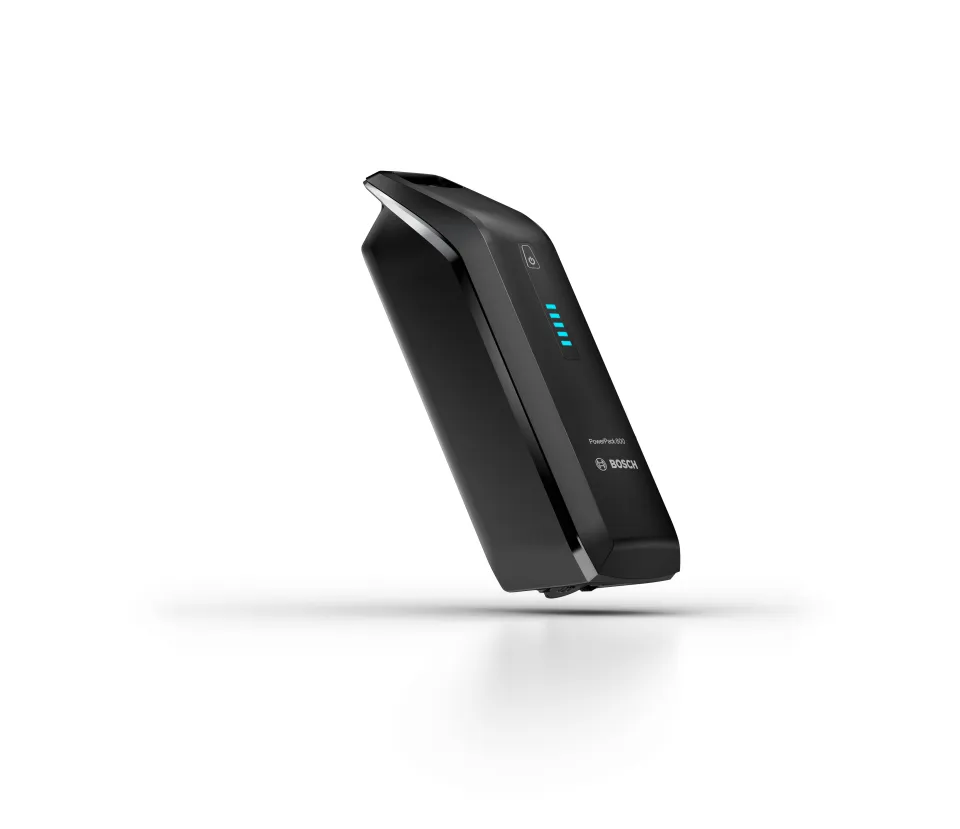
Some battery manufacturers make it easy to check your battery’s charge level. For example, the Bosch PowerPack batteries used on Tern e-bikes have five LEDs as the charge level indicator, with each light representing about 20% charge. When the battery is at 80%, four of the five LEDs will be lit.
8. Check the battery and charger regularly
Look for any visible damage to the battery, charger, or cables. If you see anything frayed, cracked, or otherwise compromised, don’t plug it in. Instead, use a replacement approved by the manufacturer.
Do not open the battery. Doing so means tampering with battery conditions approved by the manufacturer, which introduces safety-related risks. Any attempt to open the battery will almost certainly void all warranty claims with the manufacturer.
9. Store partially charged
If you won’t be riding for a while, such as when going away on an extended holiday, remove the battery from your bike before putting it away. A pin cover like this helps keep the exposed battery pins free from dust, dirt, and moisture, particularly when the bike is stored outdoors.
Aim to store the battery at about 30–60% charge rather than full or empty. Keeping a battery fully charged for long periods is like leaving a car engine revved at max all day. It puts stress on the battery and can shorten its lifespan prematurely. On the other hand, leaving it completely drained can cause it to lose capacity or even fail permanently. Storing it at a mid-level charge keeps the battery chemistry healthy and helps it last longer.
10. Follow the manufacturer’s guidelines
Every e-bike battery is a little different. When in doubt, check the manual or the manufacturer’s website for specific charging recommendations.
For Tern riders: Visit Bosch’s eBike battery page to learn more
By following these simple habits, you can keep your e-bike battery healthier and safer, while enjoying more reliable performance on every ride.
See related: How to Care for Your Bosch eBike Battery
Related Articles