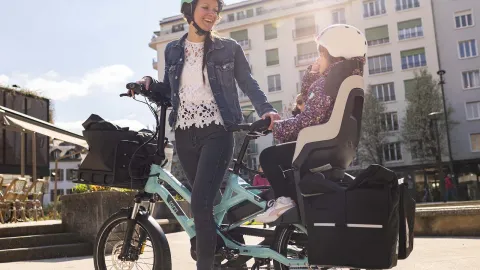
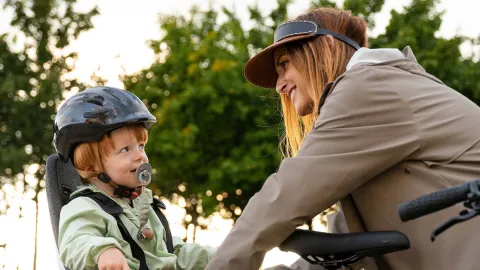
The Orox adventure cargo bike is a versatile vehicle that offers a smooth, seamless ride, not only on city streets but also on demanding terrains such as gravel, rocks, snow, mud, and sand. As a heavy-duty hauler, it boasts a max gross vehicle weight of 210 kg (463 lb) on-road and an unmatched 180 kg (397 lb) off-road. And with a rear rack rated for 100 kg (220 lb), the bike easily accommodates two kids or one adult passenger.
Despite its impressive capabilities, safety and common sense must be taken into consideration when setting cargo and passenger limits for the Orox. Recognizing the diverse challenges posed when riding on different terrains, we've crafted distinct guidelines for each of the various riding conditions and environments. This article outlines how we set those cargo and passenger limits to ensure a secure and enjoyable ride under all circumstances.
Contents
- How did we determine cargo and passenger limits?
- What are the different terrains the Orox is designed for?
- What is the Max Gross Vehicle Weight of the Orox?
- Passenger and cargo weight limits on paved roads
- Passenger and cargo weight limits on graded & maintained gravel roads
- Passenger and cargo weight limits on unimproved trails
- Summing up everything in one nice easy-to-read table
How did we determine cargo and passenger limits?
The Orox was designed to be used on various, diverse terrains. Establishing cargo and passenger limits for each of those terrains meant considering factors such as the bike's carrying capacity (its Max Gross Vehicle Weight), the rider's ability to handle heavier loads, and how heavy the total cargo is compared to the rider.
What are the different terrains the Orox is designed for?
The Orox is a cargo bike that’s designed for adventure. It’s capable of handling all sorts of terrain while under load, as shown below:
Type of Terrain | Paved Roads | Graded & Maintained Gravel Roads | Unimproved Trails |
|---|---|---|---|
| Terrain Description | 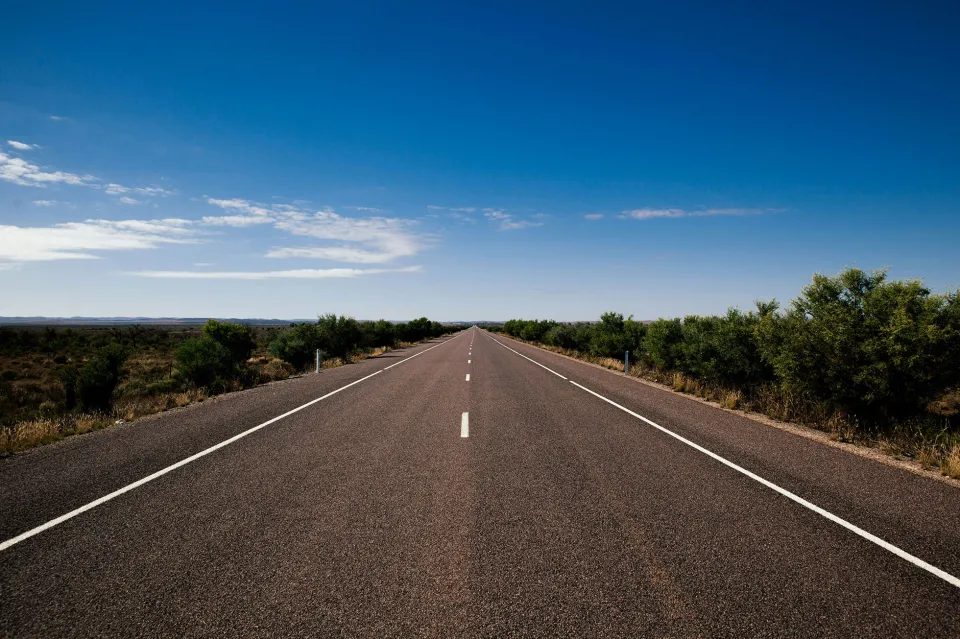
Durable surface material such as concrete or asphalt, laid down on an area intended to sustain vehicular or foot traffic. | 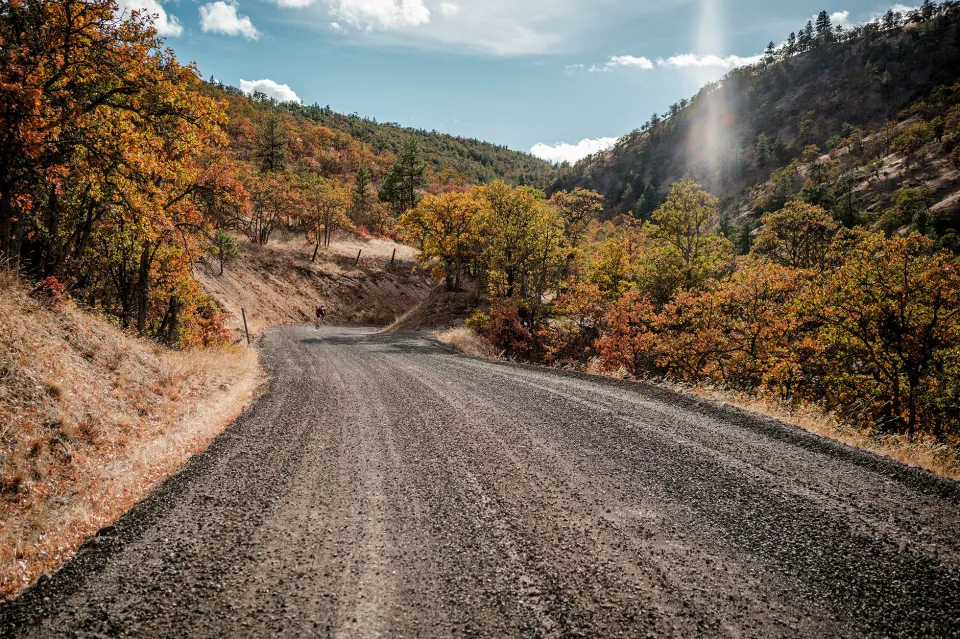
Gravel placed and compacted on finer-grained soil, regularly groomed to remove obstacles. | 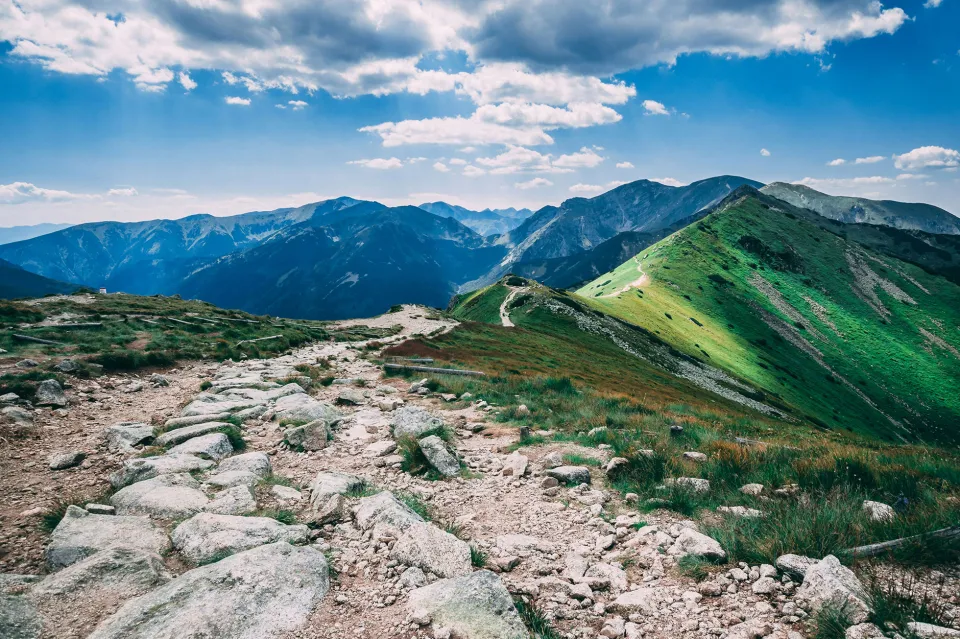
Primitive trails that may contain roots, rocks, loose surface (such as mud), and hardpack. Includes areas where a momentary loss of tire contact with the ground may occur. |
What is the Max Gross Vehicle Weight of the Orox?
A bike's Maximum Gross Vehicle Weight (MGVW) represents the maximum weight it has been designed and tested to safely carry. Our goal with the Orox was to design a bike that could carry heavy cargo on varied terrains, from paved roads to uneven trails. The design challenge was how to support the heaviest loads when riding off-road, especially when both wheels lose contact with the ground.
Our solution was to have two distinct MGVW targets for the Orox frame and fork — 210 kg (463 lb) for paved roads and graded & maintained gravel roads, and 180 kg (397 lb) for unimproved trails. After rigorous testing, including third-party certification from EFBE Prüftechnik, an international leader in bike durability testing, the Orox was rated to safely carry the two different MGVW targets we set out within our designs.
Orox MGVW | ||
Paved Roads | Graded & Maintained Gravel Roads | Unimproved Trails |
210 kg / 463 lb | 210 kg / 463 lb | 180 kg / 397 lb |
Learn more about max gross vehicle weight and how we test for it.
Passenger and cargo weight limits on paved roads
Paved roads are passenger-friendly. Paved roads are where you’ll discover all the ways the Orox can be used as a car replacement, year-round. Use the bike for school runs, date nights, or start your own neighborhood taxi service. The Orox can support one adult passenger or up to two child passengers on paved roads.
While rider skill is a major factor in determining how much cargo can be carried, a rider's weight also plays a role. This is especially true on a bike with bigger wheels and a high center of gravity. For that reason, we set the cargo limit at 70% of the rider’s weight on paved roads, as long as that 70% does not cause the bike to exceed its other limits, such as the 100 kg (220 lb) load limit of the rear rack or the 210 kg (463 lb) MGVW. For riders with less cargo hauling experience, it's advisable to start well below the limit and gradually increase, until eventually discovering a personal comfort zone for handling cargo weight.
Riding with Cargo or Passengers | |
Type of Terrain | Paved Roads |
Passengers Allowed | 2 kids or 1 adult |
Wheel Contact | When riding with passengers, both Orox tires must always remain in contact with the ground. Only ride on roads where tires are intended to maintain ground contact. |
Cargo Weight | Cargo weight should not exceed 70% of rider's weight |
MGVW | 210 kg (463 lb) |
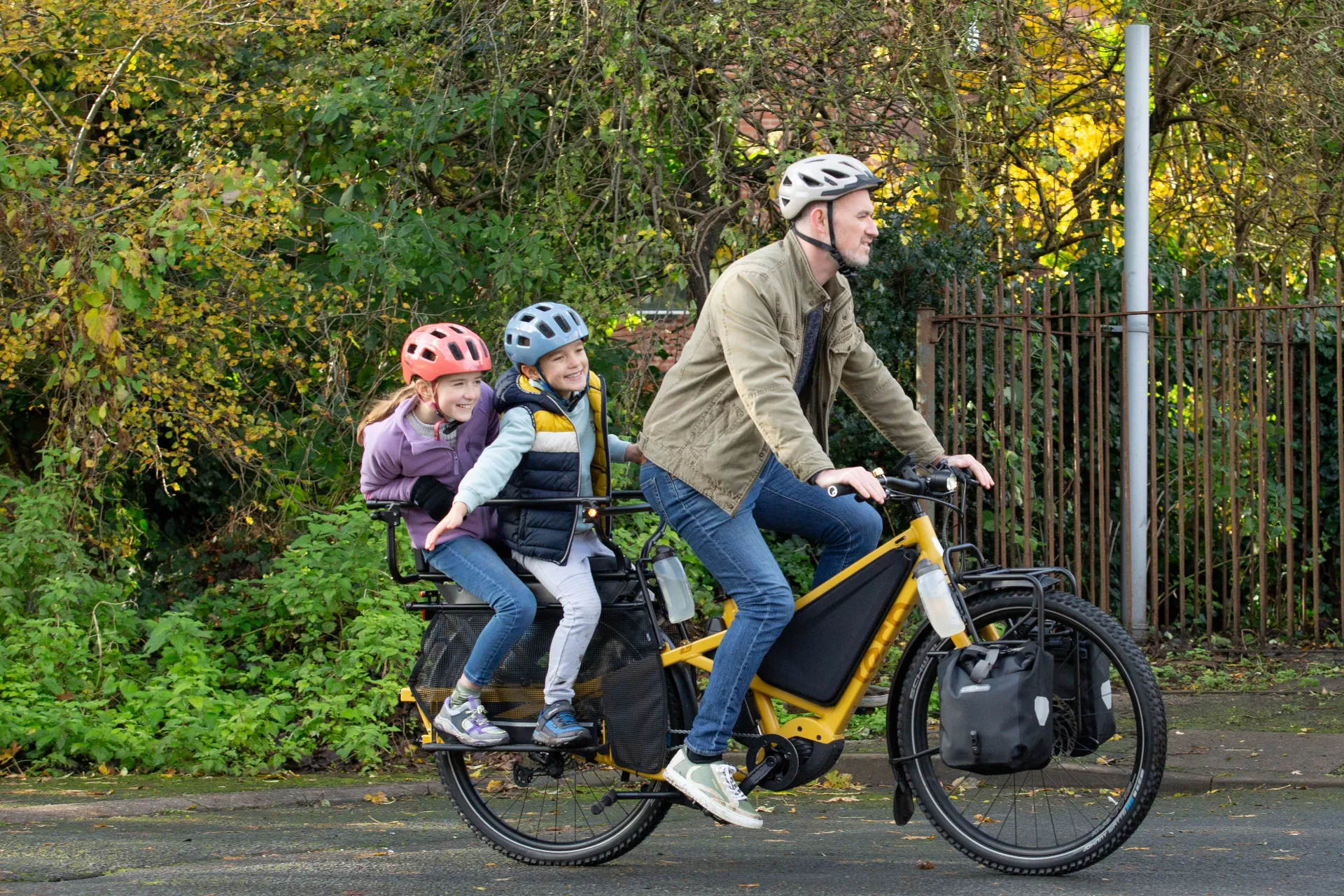
Paved roads are great for carrying 2 kids or 1 adult passenger
Passenger and cargo weight limits on graded & maintained gravel roads
Gravel roads are often located in parks and rural areas, often surrounded by scenic landscapes. Riding on maintained gravel roads is an opportunity for exploration and discovery, not for loading up on weight and introducing worry into the equation.
What to worry about? The riding surface on gravel roads may be loose or uneven, which can reduce the bike's traction. This makes it more challenging to maintain control, especially when cornering or braking suddenly, and even more so under heavy load. In addition, dust, mud, slippery leaves, and other adverse weather elements affect graded gravel roads much more so than paved roads.
We say reduce the load and enjoy the ride. Since more riding vigilance is required on graded & maintained gravel roads, why burden yourself with the added responsibility of controlling extra cargo weight or the equilibrium of two squirming kiddos? Our recommendation is to limit the ride to a single passenger who understands that some caution is required, namely one older child (more than 26 kg or 58 lb) or an adult. We also recommend a cargo weight limit of 50% of the rider’s weight. That should be plenty enough to enjoy a picnic by the river, park outings with a friend, or a bikepacking adventure with your gear. Go out and turn those miles into memories.
Riding with Cargo or Passengers | |
Type of Terrain | Graded & Maintained Gravel Roads |
Passengers Allowed | 1 older kid or 1 adult |
Wheel Contact | When riding with passengers, both Orox tires must always remain in contact with the ground. Only ride on roads where tires are intended to maintain ground contact. |
Cargo Weight | Cargo weight should not exceed 50% of rider's weight |
MGVW | 210 kg (463 lb) |
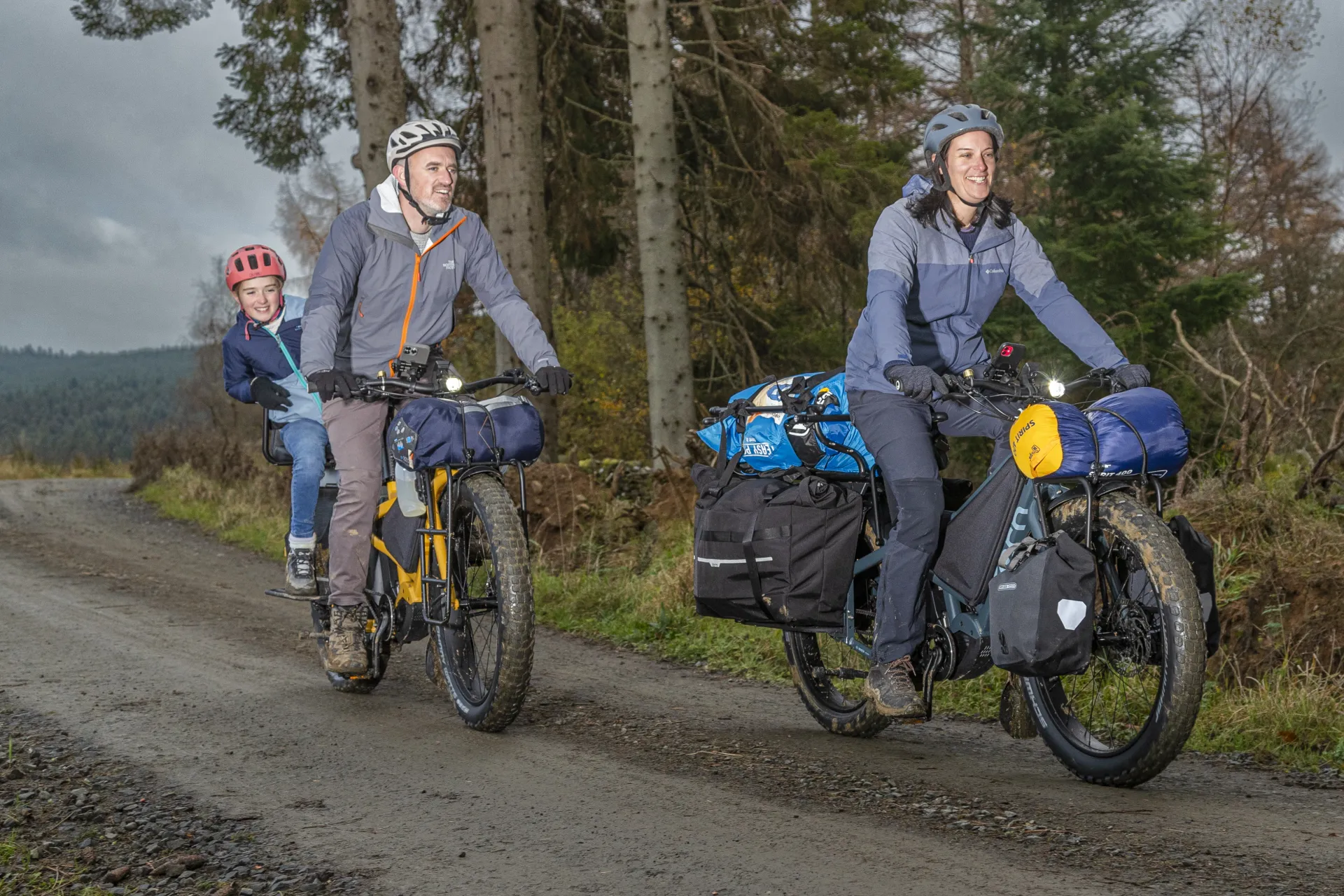
Maintained graded gravel roads are places to adventure with one older kid or an adult passenger
Passenger and cargo weight limits on unimproved trails
The natural surfaces of unimproved trails include dirt, gravel, rocks, and grass, providing for diverse off-road experiences such as gravel grinding and trail riding. These trails can vary in difficulty, presenting challenges like steep inclines, rocky terrain, and areas where a momentary loss of tire contact with the ground may occur. Negotiating such terrain adds an element of unpredictability, and requires riders to have a heightened focus to read the trail and choose optimal lines.
Carrying passengers on unpredictable trails is a recipe for disaster. Our simple rule is: Do not carry passengers when riding on unimproved trails!
Handling and responsiveness also diminish off-road as more gear and weight are added to the bike. This is especially true when both wheels come off the ground after hitting a drop. For this reason, we set a cargo weight limit of 20% of rider weight. That should still allow you to gear up enough to embark on an unforgettable journey, without overburdening the spirit of adventure.
Riding with Cargo or Passengers | |
Type of Terrain | Unimproved Trails |
Passengers Allowed | No passengers allowed |
Wheel Contact | On unimproved trails, there is a chance both Orox tires may momentarily lose contact with the ground. Riders need to be confident they can handle the cargo load if this occurs. |
Cargo Weight | Cargo weight should not exceed 20% of rider's weight |
MGVW | 180 kg (397 lb) |
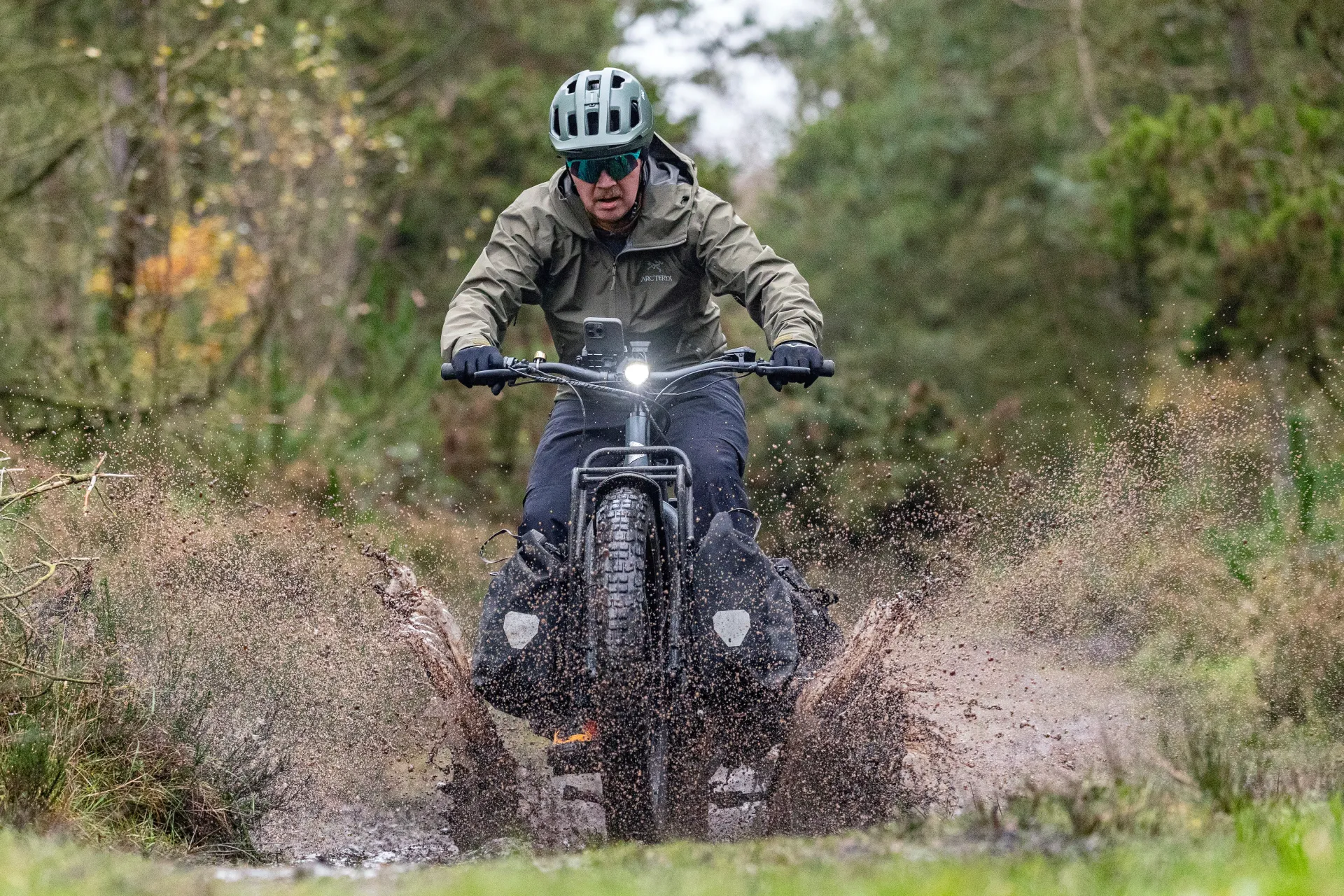
Unimproved trails are places to explore riding solo
Summing up everything in one nice easy-to-read table
Riding with Cargo or Passengers | |||
Type of Terrain | Paved Roads | Graded & Maintained Gravel Roads | Unimproved Trails |
Passengers Allowed | 2 kids or 1 adult | 1 older kid or 1 adult | No passengers allowed |
Wheel Contact | When riding with passengers, both Orox tires must always remain in contact with the ground. Only ride on roads where tires are intended to maintain ground contact. | On unimproved trails, there is a chance both Orox tires may momentarily lose contact with the ground. Riders need to be confident they can handle the cargo load if this occurs. | |
Cargo Weight | Cargo weight should not exceed 70% of rider's weight | Cargo weight should not exceed 50% of rider's weight | Cargo weight should not exceed 20% of rider's weight |
MGVW | 210 kg (463 lb) | 210 kg (463 lb) | 180 kg (397 lb) |
For more information, guidelines, and safety tips, check out the Orox Passenger Guide and Cargo Guide.
Related Articles